
Benefits of Text-to-Speech Electronic Devices
There are many benefits of text-to-speech technology. They have completely changed how people with visual impairments can now access written texts in the digital age. The advantages of text-to-speech gadgets are indisputable, regardless of whether they are speech synthesis tools or assistive text-to-voice devices. Let’s explore the benefits of text-to-speech devices and the significant influence they have on those who are visually impaired.
What is Text-to-Speech Software?
Text-to-speech software is a type of assistive technology that converts written text into spoken words. Using advanced algorithms, TTS software can read text aloud in a natural-sounding voice, making digital content more accessible to a diverse range of users. This technology is widely used in various applications, including accessibility tools for individuals with visual impairments, learning aids for language learners and those with dyslexia, and productivity tools for multitasking professionals.
How Does Text-to-Speech Work?
- 1. Input Processing: The TTS system begins by analyzing the written text provided by the user. This can be input from various sources, such as text files, eBooks, web pages, or documents. The software identifies the structure of the text, including punctuation, paragraphs, and special characters, to understand how it should be spoken.
- 2. Text Normalization: Before converting the text into speech, the system performs text normalization (also known as pre-processing). This step transforms symbols, abbreviations, and numbers into full words or phrases.
- 3. Linguistic Analysis: The software analyzes the grammar, syntax, and context of the text to determine the appropriate intonation, emphasis, and pitch for each word or phrase. This step helps the TTS system mimic natural speech patterns.
- 4. Phonetic Conversion: The text is converted into phonetic representations, breaking it down into individual sounds. These phonetic representations guide the system in pronouncing the words accurately, especially in cases where spelling and pronunciation differ (e.g., “read” as past tense vs. present tense).
- 5. Speech Synthesis: Using a speech synthesis engine, the TTS system transforms the phonetic data into audible speech. This is done through one of two main synthesis methods: Concatenative Synthesis: Pre-recorded fragments of human speech are pieced together to form complete words and sentences. Neural TTS or Parametric Synthesis: Artificial intelligence generates speech dynamically, often resulting in more natural-sounding voices.
- 6. Voice Customization: Users can customize the output by selecting voice type, pitch, speaking rate, accent, and sometimes even gender. This personalization enhances the user experience and ensures the speech aligns with individual preferences.
- 7. Output Delivery: The synthesized speech is delivered through a speaker, headphones, or other audio output devices. Many TTS systems also allow users to save the speech as an audio file for future use, enabling them to listen to content offline.
How to Activate Text-to-Speech Devices and Applications
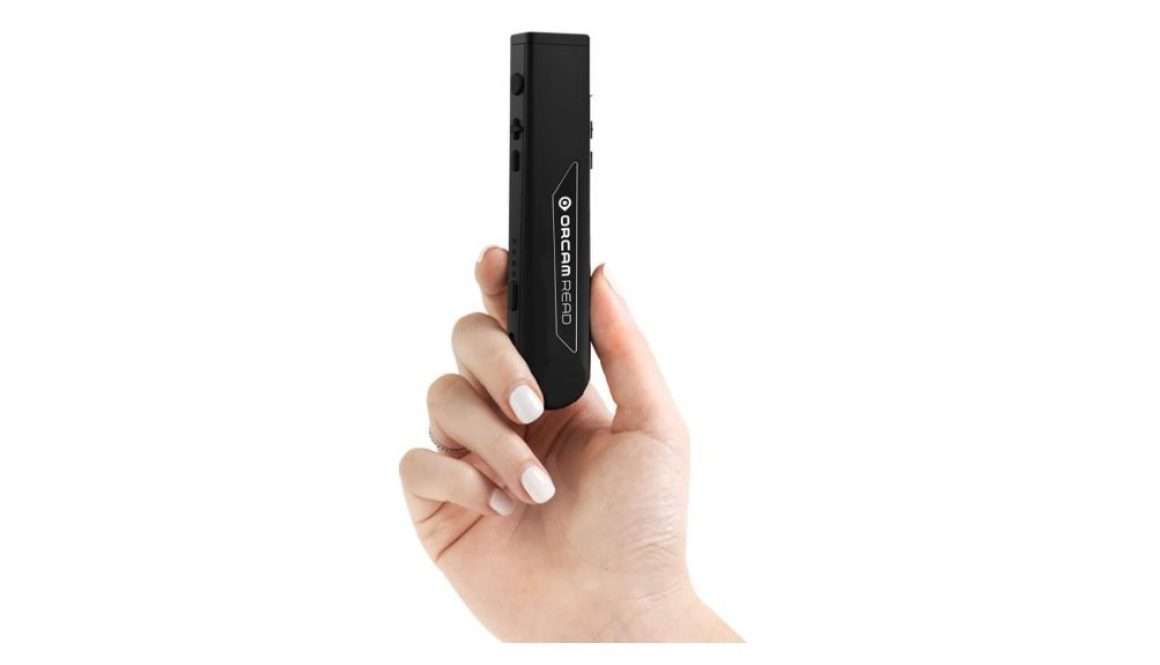
Activating text-to-speech assistive technology varies depending on the device or application in use. For handheld options like the OrCam Read, simply point the device at the desired text, press the activation button, and listen as it converts the text to speech. The OrCam Pro, mounted on glasses, activates through finger gestures or tapping the device, enabling features like text reading, facial recognition, and more. The Envision Glasses require an internet connection and activation through a combination of onboard controls and mobile app integration, offering capabilities like scene descriptions and live video calls for navigation assistance. For desktop solutions, the Smart Reader HD activates with a press of a button, capturing text with its camera and converting it to speech instantly. Each of these text-to-speech tools is designed to reduce reading fatigue and support different learning styles, making interaction with text more accessible and effective.
Customization of Text-to-Speech Generators for a Personalized Reading Experience
TTS software provides unmatched adaptability and versatile features to meet the various needs of customers. With adjustable pitch, intonation, and reading speed, users can tailor their experience to their preferences, resulting in a greater understanding and retention. This degree of personalization guarantees that text can be listened to at a comfortable speed and in a voice that suits the listener, improving understanding and engagement levels all around. Text-to-speech generators can also obtain content from a variety of sources, such as websites, papers, and digital books because they frequently accept several file types. These text-to-speech applications provide seamless access to a vast array of textual resources, enabling people with visual impairments to stay informed and engaged, whether they are reading for leisure or conducting academic research. For this reason, text-to-speech generators are essential in helping people with impaired vision become more independent, self-assured, and able to access equitable opportunities.
Portability and Convenience of Text-to-Voice Assistive Devices
Text-to-voice assistive technologies provide a variety of advantages that meet the various requirements of those with impaired eyesight. Users can personalize the speed, volume, and tone of the synthesized voice on these devices by adjusting its adjustable settings. Moreover, a lot of text-to-voice gadgets are lightweight and portable, which makes them useful travel companions. With text-to-voice assistive technologies, users can read a novel on the go or access instructional materials in a classroom setting, giving them flexibility and convenience.
Why Speech Synthesis Devices Are Valuable
Modern technology is used by voice synthesis systems to generate natural-sounding, high-quality speech output. Through the use of sophisticated algorithms and linguistic processing methods, these gadgets provide a reading experience that is very immersive and closely resembles human speech patterns. Users can get fully engaged in the information and improve comprehension thanks to the speech that sounds natural. Furthermore, users can easily access information in their favorite language thanks to the many language options that voice synthesis systems frequently offer.
Impact of Text-to-Speech AI Devices
Beyond just being convenient, text-to-speech AI devices help people with impaired vision succeed academically and become more independent and self-assured. These gadgets enable users to confidently pursue their educational and professional goals by giving them access to a plethora of printed resources in an easily navigable format. Moreover, by leveling the playing field for people with visual impairments, text-to-speech AI devices support inclusivity and equal chances. Whether you’re navigating academic materials or simply engaging with digital content, TTS technology ensures accessibility for all.
Text-to-speech technology greatly improves the lives of those who are visually impaired. The advantages of these gadgets are immense, ranging from enhancing reading accessibility to encouraging independence and academic success. At Vision Matters, our mission is to enable people to live happy, independent lives by offering high-quality low-vision technology, such as text-to-speech systems. Get in touch with us today to find out more about the benefits of text-to-speech electronic devices, and to view our products.