
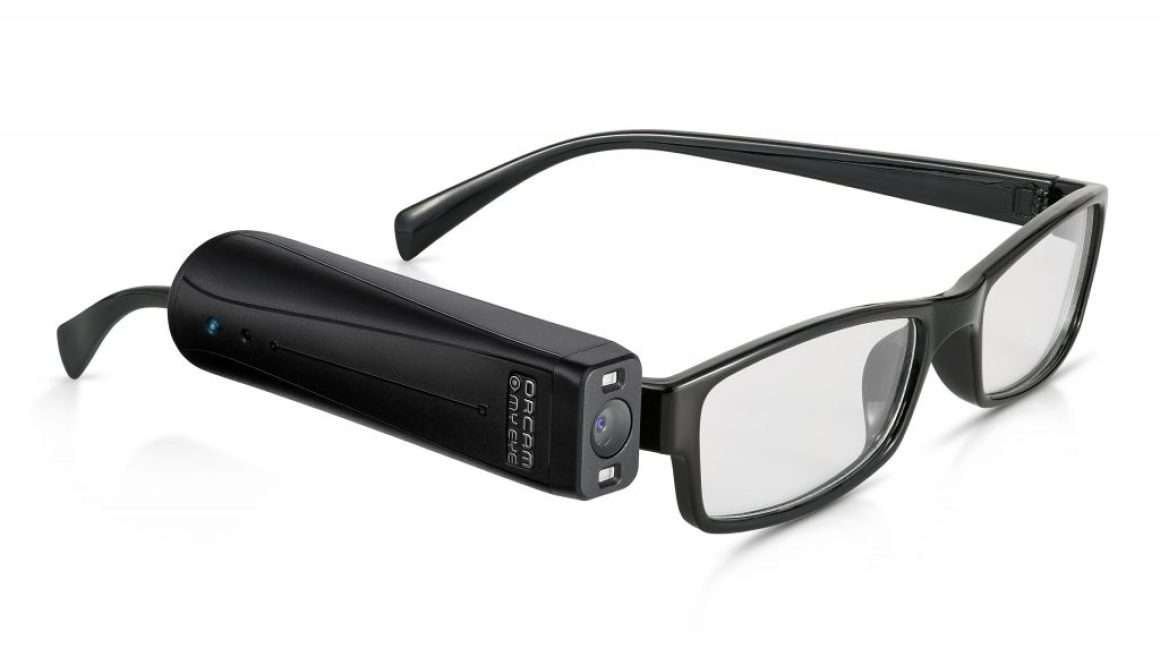
Wearable Low Vision Aids for Visually Impaired and the Blind
TL;DR
Wearable low vision aids are transforming the way people with vision loss access information, complete daily tasks, and maintain independence. These advanced devices use digital magnification, camera-based enhancement, and text-to-speech technology to help individuals with conditions such as macular degeneration, retinal disorders, and other forms of low vision. In this guide, Vision Matters explores how wearable vision technology works, its benefits, key features to consider, and how the right solution can support a more confident and independent lifestyle.
Knowing how to use the CCTV Video Magnifier is crucial for people with difficulty seeing due to low vision or blindness. At Vision Matters, when we go on no-obligation, in-home visits, we bring a variety of wearable low vision aids choices to assist you in finding the best tool for your particular situation. Our goal is to deliver life-altering solutions with high-quality service and gentleness so our clients can make clear and informed selections.
What is Low Vision?
Low vision means notable visual impairment that regular glasses, contact lenses, medicine, or surgery cannot improve. This condition comprises things like macular degeneration, glaucoma, diabetic retinopathy, and others. The sight of individuals with low vision varies in range, and their condition can make simple daily activities difficult. They need special tools to enhance their quality of life (such as reading glasses).
Vision Matters is an expert in providing helpful low vision aids for people with low vision. Our products are made easy, assisting individuals with reading books, mail, newspapers, restaurant menus, and other things more comfortably. The video magnifiers we offer come in various types, such as desktop or mobile ones that can be carried around easily – ensuring something suitable for everyone’s needs and preferences.
Legally Blind vs Low Vision
Recognizing the contrast between being legally blind and having low vision is significant. People who are legally blind possess a visual acuity of 20/200 or less in their better eye, even with corrective lenses, as well as a visual field that measures 20 degrees or less. This degree of impairment substantially limits daily tasks and frequently requires more specialized assistance aids.
On the other hand, low vision covers a broader scope of sight problems that are not as extreme as legal blindness. Persons with low vision might still have difficulty doing everyday activities and use optical aids, yet they possess more functional eyesight. At Vision Matters, we provide answers designed for the legally blind and those with low vision – ensuring that everyone gets the proper assistance to improve their freedom and life’s standards.
What is Wearable Low Vision Eyewear?

Wearable low vision eyewear refers to advanced assistive devices that are worn like glasses or a headset to help people with low vision see more clearly and perform everyday tasks more independently. Unlike traditional magnifying glasses, these devices use small cameras, digital displays, and smart software to enhance or interpret visual information.
They are designed for individuals with vision conditions such as:
- Macular degeneration (AMD)
- Retinal tears or retinal diseases
- Diabetic eye disease
- Glaucoma-related vision loss
- Stargardt disease
- Other forms of irreversible vision impairment
Wearable low vision eyewear does not restore or cure vision loss, but it can help users make better use of their remaining vision.
How Does Wearable Low Vision Eyewear Work?
1. Camera-Based Vision Enhancement
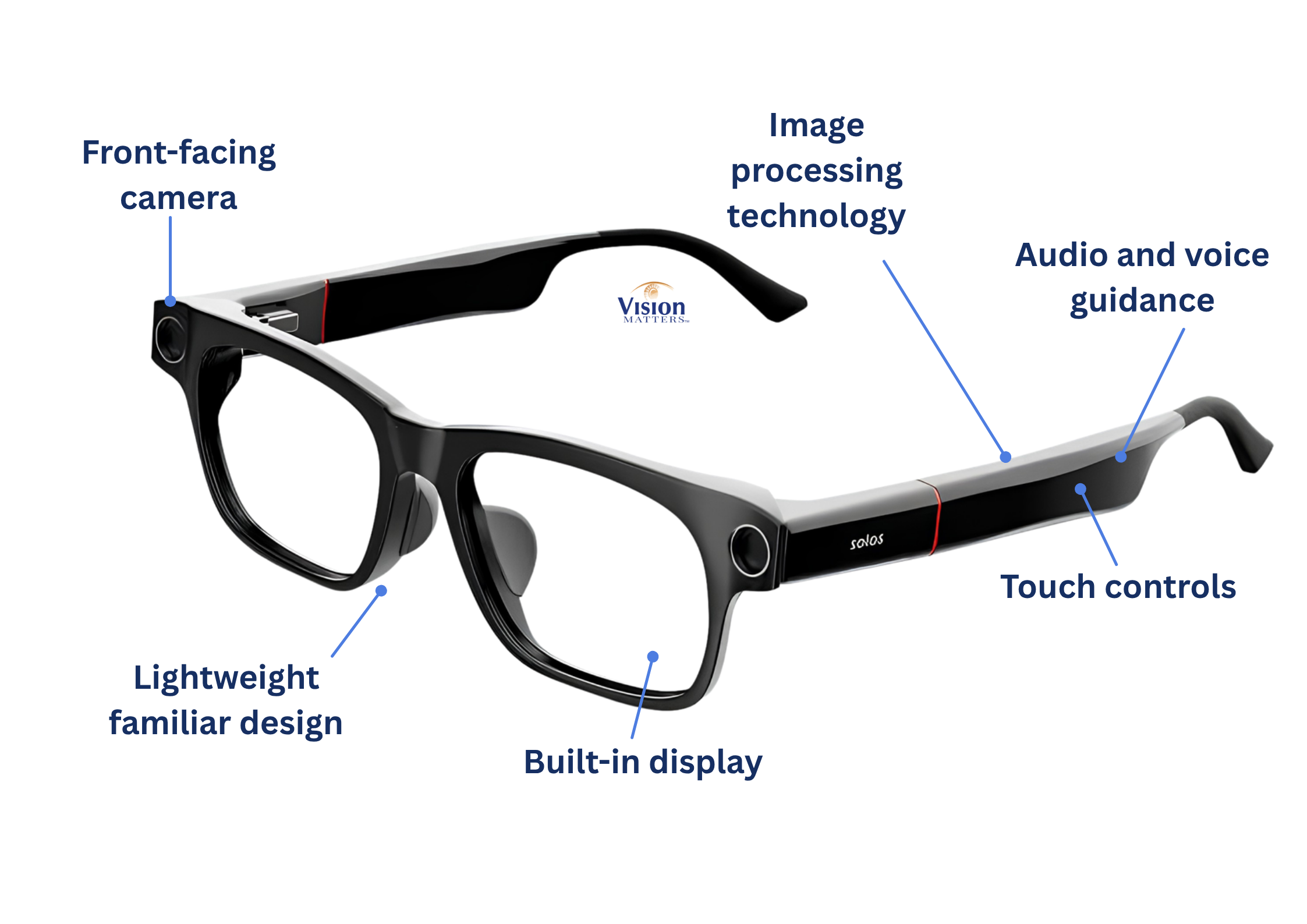
A small camera captures what is in front of the user. The device processes the image and adjusts it to make details easier to see.
Examples of enhancements include:
- Increased contrast
- Enlarged images
- Sharper edges
- Improved brightness
- Reduced visual clutter
2. Digital Magnification
Instead of looking through a traditional lens, users view a digitally enlarged image on built-in screens.
Common magnification ranges may include:
Approximately 2× to 20× magnification, depending on the device and settings
3. Text Recognition and Reading Assistance
Many wearable devices can recognize printed words and convert them into spoken audio.
Helpful for:
- Reading mail
- Medication labels
- Restaurant menus
- Books and newspapers
- Product packaging
4. Voice Guidance and Artificial Intelligence
Some devices use AI features to identify:
- Faces
- Objects
- Currency
- Colors
- Text
- Everyday surroundings
Benefits of Wearable Low Vision Technology
Wearable low vision technology provides innovative tools that help people with vision loss use their remaining sight more effectively. These devices are designed to support independence, confidence, and participation in daily activities for individuals living with conditions such as macular degeneration, retinal disorders, diabetic eye disease, and other causes of low vision.
While wearable devices cannot restore normal vision or reverse eye conditions, they can help users access visual information more easily and complete important tasks with greater confidence.
1. Greater Independence in Daily Activities
One of the most meaningful benefits of wearable low vision technology is helping people maintain independence.
Wearable devices can assist with activities such as:
- Reading mail and documents
- Viewing medication labels
- Identifying household items
- Recognizing faces
- Looking at photographs
- Managing personal finances
- Participating in hobbies
Many users find that having access to enhanced vision reduces the need to rely on family members or caregivers for everyday tasks.
2. Hands-Free Vision Assistance
Unlike handheld magnifiers, wearable devices allow users to keep their hands free.
This can be especially helpful for:
- Cooking
- Crafting
- Sewing
- Sorting medications
- Using tools
- Reading while seated comfortably
Hands-free operation makes technology feel more natural and easier to incorporate into daily routines.
3. Improved Reading Ability
Reading is one of the most common challenges for people with low vision. Wearable technology can help by providing:
- Digital magnification
- Improved contrast
- Sharper images
- Text recognition
- Audio reading support
Users may be able to access:
- Books
- Newspapers
- Restaurant menus
- Labels
- Letters
- Instructions
For individuals with macular degeneration, these features can help make printed information more accessible.
4. Enhanced Face Recognition and Social Connection
Vision loss can make recognizing family members, friends, and community members difficult. Some wearable devices provide image enhancement or recognition assistance that may help users engage more comfortably in social situations.
Benefits may include:
- Easier face recognition
- More confidence at gatherings
- Better interaction with family and friends
- Reduced feelings of isolation
5. Increased Confidence and Safety
Low vision can create uncertainty when navigating everyday environments. Wearable technology may help users better identify objects and surroundings.
Potential benefits include:
- Seeing obstacles more clearly
- Identifying signs and displays
- Locating important items
- Understanding visual surroundings
This added confidence can encourage users to remain active and involved.
6. Personalized Vision Enhancement
Modern wearable low vision devices often allow customization based on individual needs.
Adjustments may include:
- Magnification level
- Contrast settings
- Brightness
- Color enhancement
- Viewing modes
- Text-to-speech preferences
Because every person’s vision loss is different, personalized settings are important for achieving the best experience.
7. Access to Text-to-Speech Technology
For individuals who struggle with reading, text-to-speech features can provide valuable assistance.
A wearable device may be able to:
- Capture printed text with a camera
- Convert text into spoken words
- Read documents aloud
- Identify labels and signs
This technology can help people access information more independently.
8. Support for Active Lifestyles
Wearable low vision technology can help individuals continue participating in activities they enjoy.
Examples include:
- Watching television
- Traveling
- Attending events
- Visiting museums
- Enjoying family activities
- Continuing lifelong hobbies
The goal is not just improved vision; it is helping people maintain their quality of life.
9. Comfortable, Modern Designs
Many newer wearable devices are designed with usability in mind:
- Lightweight frames
- Simple controls
- Rechargeable batteries
- Portable designs
- Adjustable viewing options
Ease of use is especially important for older adults who may not be comfortable with complicated technology.
10. Support and Training Make a Difference
Even advanced technology works best when users receive proper guidance. A professional demonstration can help determine:
- Which device matches the person’s vision needs
- How to operate the controls
- How to adjust settings
- How to use the device effectively in daily life
Considerations to Keep in Mind
Choosing the right wearable low vision technology depends on each person’s unique vision needs, lifestyle, and daily goals. The best device is one that feels comfortable, is easy to use, and provides meaningful support for everyday activities.
Important factors to consider include:
- Vision needs: Different eye conditions and levels of vision loss require different features, such as magnification, contrast enhancement, or text-to-speech assistance.
- Daily activities: Consider whether the device will be used mainly for reading, recognizing faces, watching television, hobbies, or staying active outside the home.
- Comfort and ease of use: A lightweight design, simple controls, and proper training can make a device easier to use consistently.
- Features and support: Battery life, portability, warranty, and access to ongoing support are important parts of choosing the right solution.
A hands-on demonstration can help determine whether a wearable device is a good fit. At Vision Matters, we provide personalized guidance to help individuals find low vision solutions that support greater independence and confidence.
Remember, wearable low vision technology does not restore eyesight, but it can help people make better use of their remaining vision and continue doing the activities they enjoy.
Who Can Benefit From Wearable Low Vision Devices?
Wearable low vision devices can help people who have difficulty seeing details, reading printed materials, or recognizing objects due to vision loss. These technologies are especially helpful for individuals who want to maintain independence and continue participating in everyday activities.
People who may benefit include those with:
- Macular degeneration (AMD): Wearable devices can enhance remaining vision by improving magnification, contrast, and clarity for tasks like reading and recognizing faces.
- Retinal conditions: Individuals with retinal tears, retinal diseases, or other vision changes may benefit from tools that make visual information easier to access.
- Diabetic eye disease or glaucoma: Technology that enhances contrast and magnifies images may help with daily tasks affected by vision loss.
- Low vision affecting daily activities: Those who struggle with reading mail, viewing labels, watching television, or enjoying hobbies may find wearable devices helpful.
Wearable low vision technology is not only for people with severe vision loss. Many individuals with remaining usable vision use these devices to make everyday tasks easier and maintain confidence.
At Vision Matters, we help individuals explore their options through personalized demonstrations, ensuring the technology matches their vision needs, lifestyle, and goals.
Visual Aids for the Blind
Visual aids for the blind are devices that help people with severe vision loss maximize their remaining eyesight and provide alternative methods of interaction. Vision Matters offers various options, including the following:
- Desktop Reading Magnifiers: These work best when reading mail, books, and newspapers. They give a big view and can be handled easily.
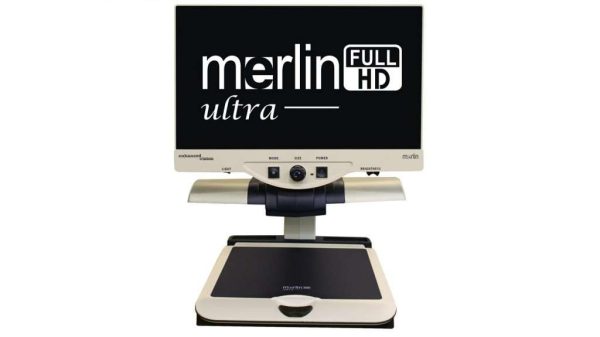
- Mobile Desktop Magnifiers are ideal for reading, crafts, writing, and hobbies. They take up less space than regular desktop magnifiers.
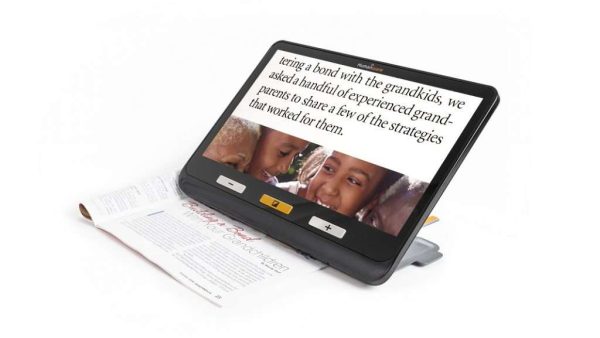
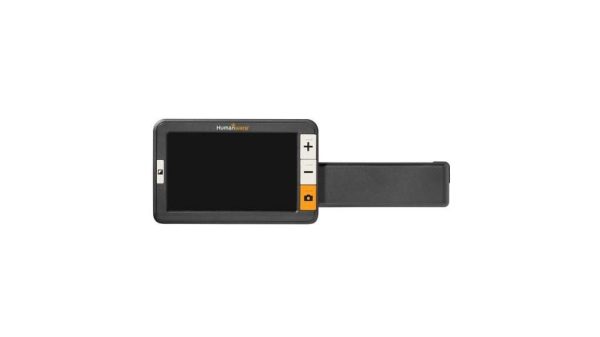
- Portable Electronic Magnifiers: These are created to fulfill reading requirements while travelers are out of town. They can be utilized to view items such as menus, can labels, recipes, and price tags.
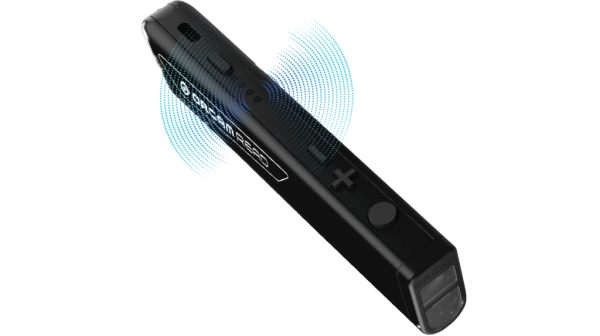
- Text-to-speech devices: These change printed text into spoken speech, which means they can be carried and used for many different activities.
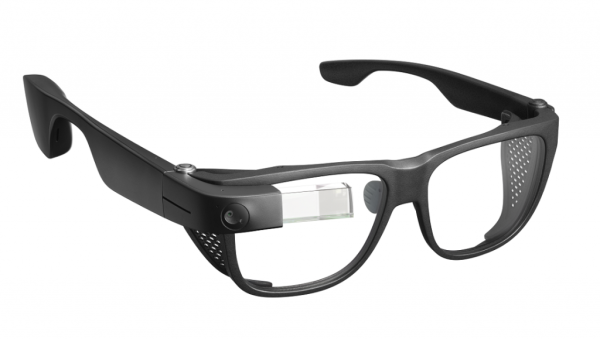
- Wearable Headworn Devices: These are beneficial for watching television, reading books, face recognition, and many other tasks. They provide a hands-free approach to improving visual perception.
Key Features to Compare Before Buying
When choosing a wearable low vision device, it is important to compare features that match your vision needs, daily activities, and comfort preferences. The right technology should be easy to use and provide practical support for everyday life.
| Feature to Compare | What to Look For | Why It Matters |
|---|---|---|
| Magnification and Image Quality | Adjustable magnification, clear displays, contrast, and brightness controls | Helps make details easier to see and improves visual comfort for reading, viewing objects, and completing daily tasks. |
| Text-to-Speech Capabilities | Accurate text recognition and spoken audio assistance | Allows users to access printed information such as mail, medication labels, menus, and documents more independently. |
| Comfort and Wearability | Lightweight design, comfortable fit, and simple controls | A comfortable device is easier to wear regularly and helps users feel confident using the technology throughout the day. |
| Battery Life and Portability | Long-lasting battery, easy charging, and travel-friendly design | Provides flexibility to use the device at home, appointments, social events, or while traveling. |
| Ease of Use and Support | Simple operation, training, warranty coverage, and customer support | Proper guidance and ongoing assistance help users get the most benefit from their low vision technology. |
A hands-on demonstration can help ensure the device provides the right combination of features, comfort, and usability. At Vision Matters, we help individuals compare low vision solutions and find technology that supports greater independence and confidence.
Visual Aids for Low Vision
Vision Matters has a variety of visual aids that are useful for people with low vision. These aids are made to match different levels of impairment and personal choices. Our products are simple to use, easy to understand, and appropriate for all age groups. These include:
- Desktop Reading Magnifiers: These magnifying tools provide a wide range of views and are ideal for reading large pieces such as books and newspapers.
- Mobile Desktop Magnifiers: These are compact and versatile, making them ideal for many activities such as crafts and writing.
- Portable Electronic Magnifiers: These are suitable for people who require a mobile solution. They help with tasks like reading labels, menus, and other similar activities on the move.
- Text-to-Speech Devices: These tools transform text into spoken words, giving a hearing option for reading printed content.
- Wearable Headworn Devices: These tools are helpful when viewing things without using your hands, such as watching television or identifying faces.
We ensure every Vision Matters customer gets a tailored service to find the correct visual aid. Our in-home demonstrations give people a chance to test various equipment in a relaxed and familiar environment, aiding them in selecting what is most suitable for their requirements.
Contact Vision Matters now to arrange a no-cost, no-commitment in-house visit. We are ready to help you improve your living standards by offering suitable vision aids.
FAQs About Wearable Low-Vision Aids
What are Wearable Low Vision Aids, and How Do They Work?
Wearable low vision aids are electronic devices worn like glasses or headsets that help people with vision loss see more clearly. They use cameras, digital displays, magnification, contrast enhancement, and sometimes artificial intelligence or text-to-speech technology to make visual information easier to access.
Can Wearable Low Vision Devices Help with Macular Degeneration?
Yes, many people with macular degeneration use wearable low vision devices to enhance their remaining vision. These technologies may help with reading, recognizing faces, viewing objects, and improving contrast. While they do not restore eyesight or reverse vision loss, they can support greater independence in daily activities.
Are Wearable Low Vision Glasses the Same as Regular Magnifying Glasses?
No. Traditional magnifiers use optical lenses to enlarge images, while wearable low vision devices use digital technology to enhance what the user sees. Many offer adjustable magnification, improved contrast, and additional features such as text-to-speech assistance, providing more options for people with changing vision needs.
Who is a Good Candidate for Wearable Low Vision Technology?
People who have difficulty reading, recognizing faces, watching television, or completing daily tasks due to vision loss may benefit from wearable technology. Candidates often include individuals with macular degeneration, retinal conditions, diabetic eye disease, or other forms of low vision who still have some usable vision.
Are Wearable Low Vision Devices Difficult for Seniors to Use?
Many modern wearable low vision devices are designed with seniors in mind and include simple controls, adjustable settings, and user-friendly features. With proper training and support, many older adults can learn to use these devices comfortably and incorporate them into their daily routines.
Can Wearable Low Vision Aids to Read Text Aloud?
Some wearable low vision devices include text-to-speech technology that can recognize printed words and convert them into spoken audio. This feature can help users access mail, medication labels, menus, books, and other printed materials when reading becomes challenging due to vision loss.
How Much Do Wearable Low Vision Devices Cost?
The cost of wearable low vision devices varies depending on the technology, features, and level of assistance provided. Factors such as warranty, training, and customer support should also be considered. A personalized demonstration can help determine which option provides the best value for your specific needs.
Are Wearable Low Vision Devices Covered By Insurance?
Coverage for wearable low vision devices varies depending on the device, insurance provider, and individual circumstances. Some programs may offer assistance, but many electronic low vision aids are purchased privately. Vision Matters can help explain available options and payment solutions based on your situation.
Should I Choose Wearable Eyewear or an Electronic Magnifier?
The best choice depends on your goals and daily activities. Electronic magnifiers are often ideal for close-up tasks like reading, while wearable devices provide hands-free assistance for activities such as recognizing faces, watching television, or accessing information while moving around.
Can Wearable Low Vision Devices Improve Independence?
Yes. Wearable low vision aids can help users complete everyday tasks more independently by making information easier to see or hear. Many people use these devices to continue reading, enjoying hobbies, staying socially connected, and participating in activities that are important to their quality of life.